VALERANT: An Automatic NaVigAbLE Game Map GeneratoR via Action-CoNditioned World Model ExploraTion

arXiv 2026.09

Yiran Qiao1, Feng Wang2, Jing Ma1
1Case Western Reserve University, 2Johns Hopkins University
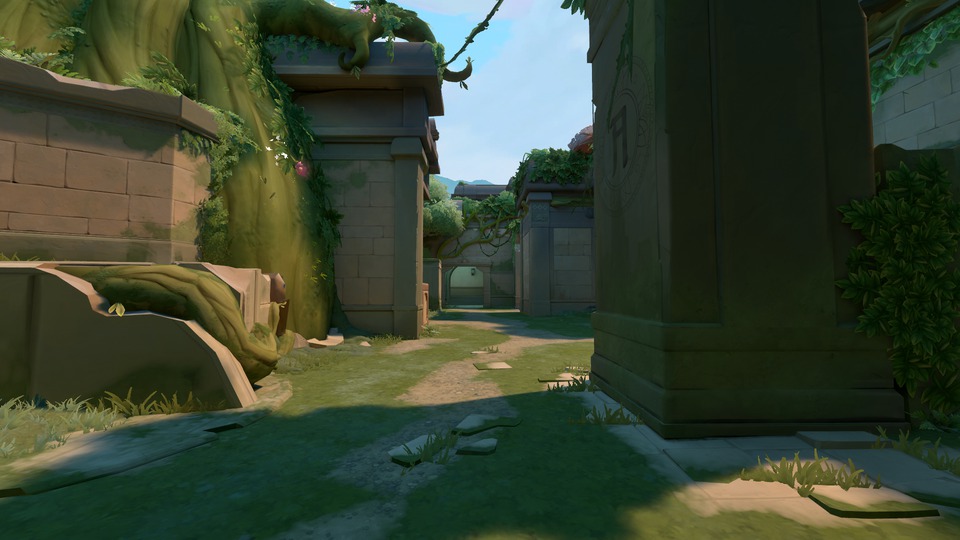
Input frame

Input

Video

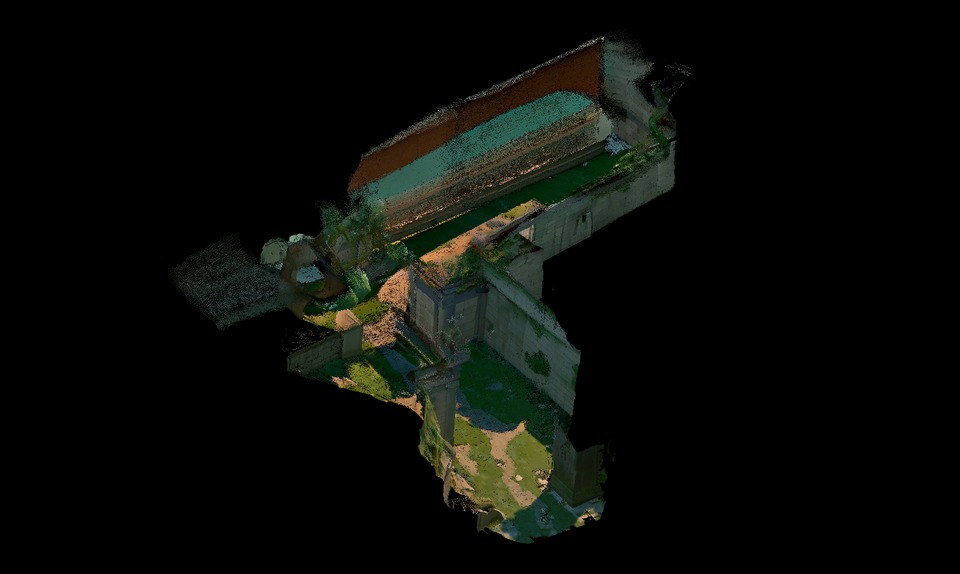
Reconstructed point map

Point Map

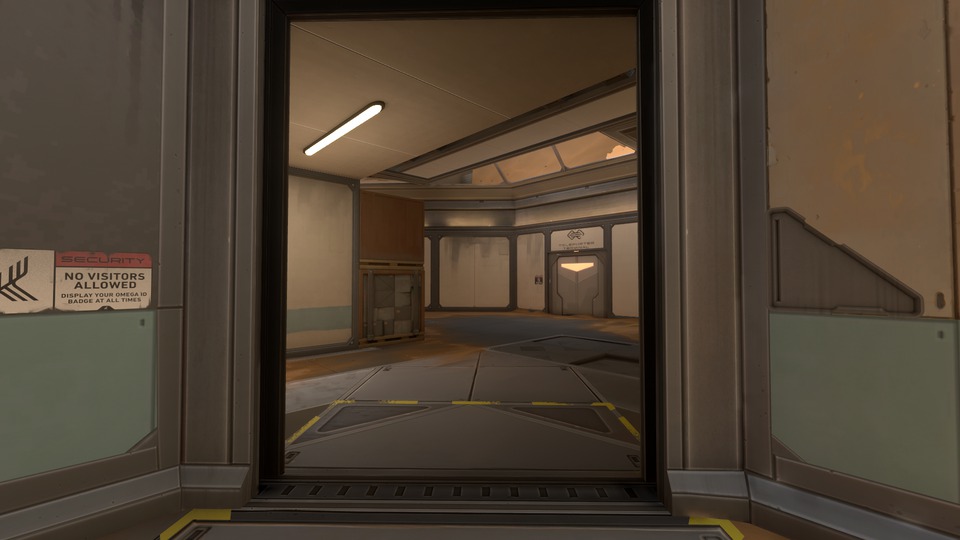
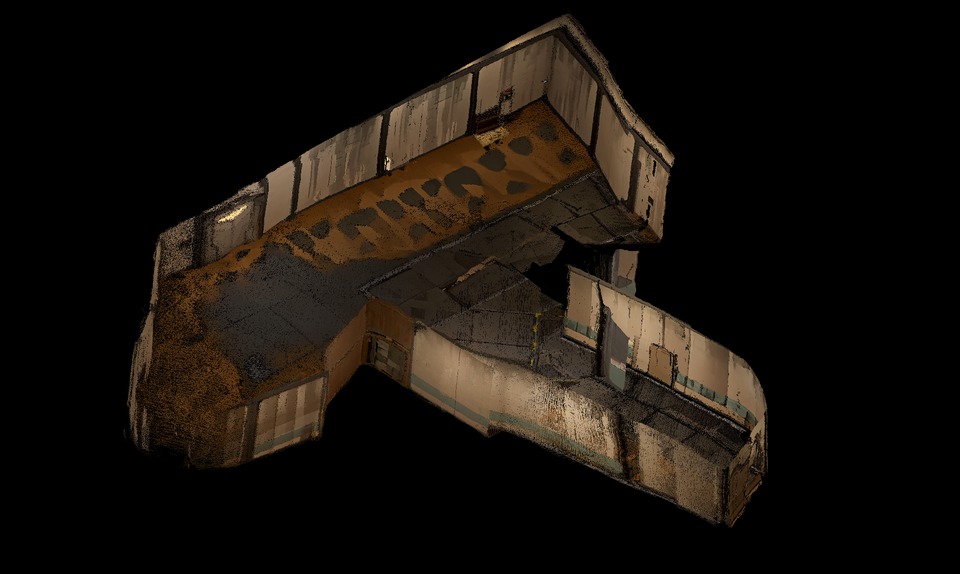
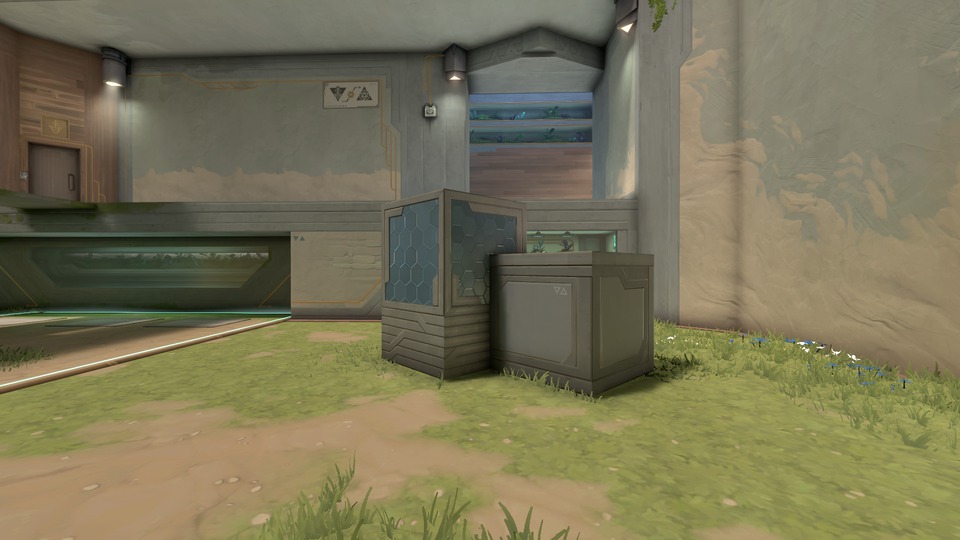
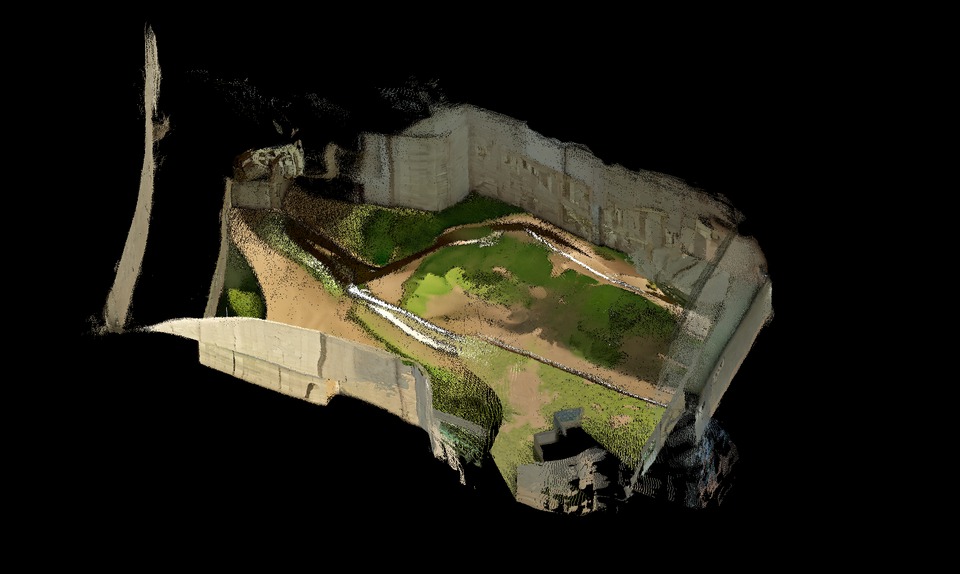
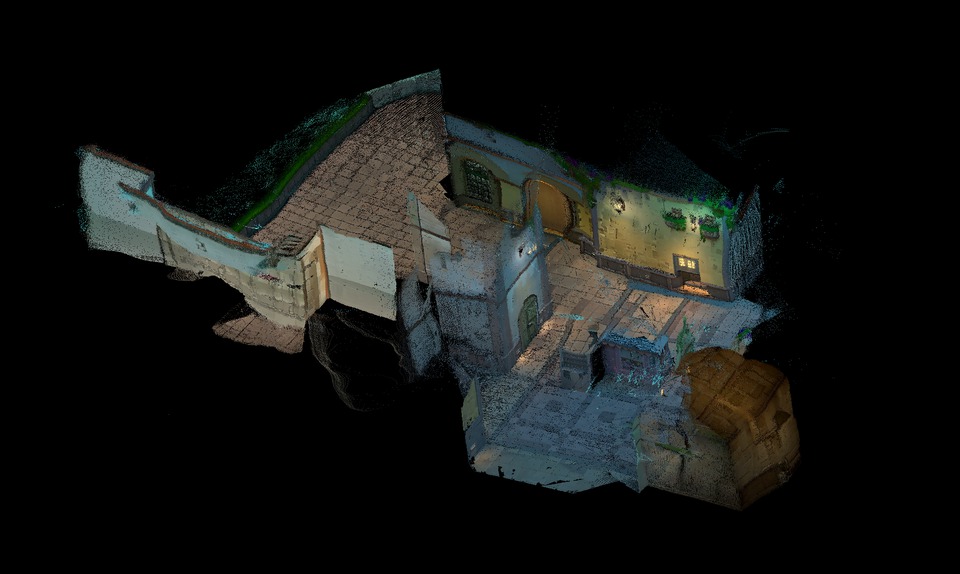
Given a single frame of a game as input, VALERANT spawns a virtual agent that explores the scene on its own. An action-conditioned world model rolls out a smooth, collision-free video of that exploration, and the corresponding point-cloud game map is reconstructed at the same time.

Abstract

World Action Models (WAMs) couple predictive world modeling with action generation, allowing anticipated future states to guide agent behavior. Although WAMs are rapidly advancing embodied AI, general-purpose counterparts remain largely unexplored in games. Existing game-oriented approaches often combine action-conditioned world models with external policies and reward functions to realize WAM-like decision-making, yet they operate mainly in 2D visual observation space and do not instantiate persistent 3D geometry. Extending this paradigm to 3D games introduces a distinct challenge. In autonomous driving and robotics, the physical environment exists independently of the model, providing a persistent 3D world in which selected actions can be executed. Games have no such external substrate; the virtual world itself must be instantiated. Most playable games require a persistent and navigable space, while 3D games additionally require explicit geometry that supports movement and interaction. Action-conditioned video rollouts provide visual observations but not this spatial representation. We present VALERANT, a training-free framework that transforms a pretrained action-conditioned world model into a WAM for exploring and constructing 3D game maps. By coupling predictive visual rollouts with SLAM-based spatial reconstruction and exploration-driven action selection, VALERANT progressively transforms a single image into a persistent 3D game map. This framework extends WAM-based interaction beyond 2D visual simulation and offers a new approach to reducing manual effort in 3D game-map creation.

Definitions and Formalism

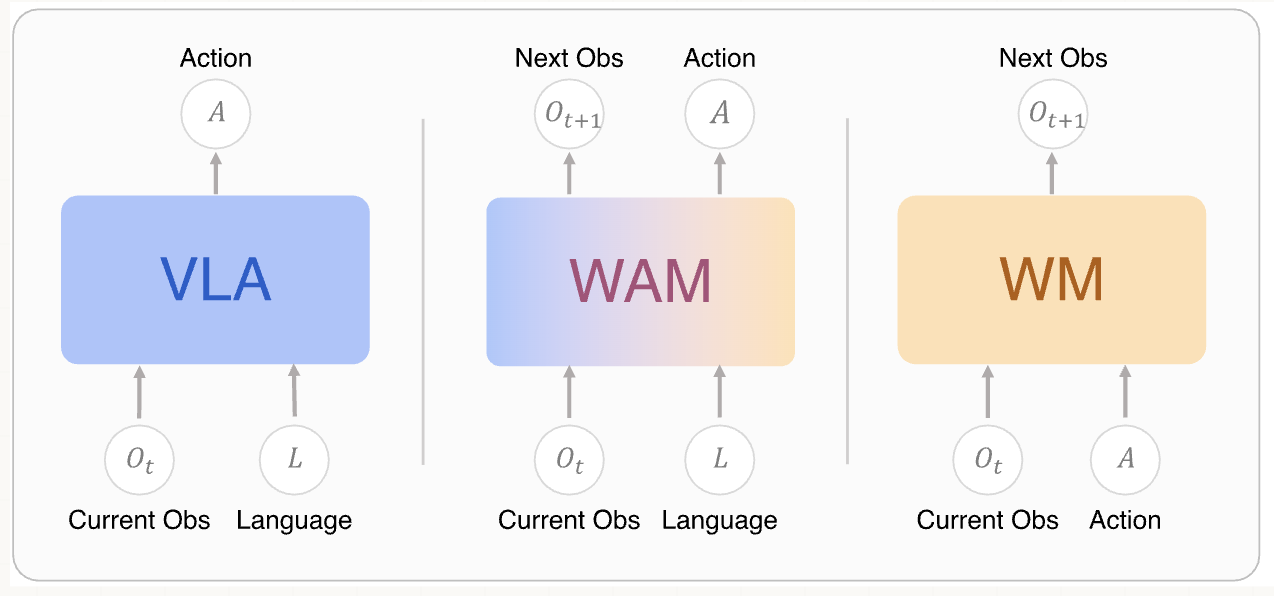
Conceptual comparison of VLA, WAM and WM: a VLA maps an observation and a language instruction to an action, a WAM maps them to both the next observation and an action, and a WM maps an observation and an action to the next observation.

Conceptual definition and comparison of VLA, WM, and WAM. Figure from Awesome-WAM.
Pipeline

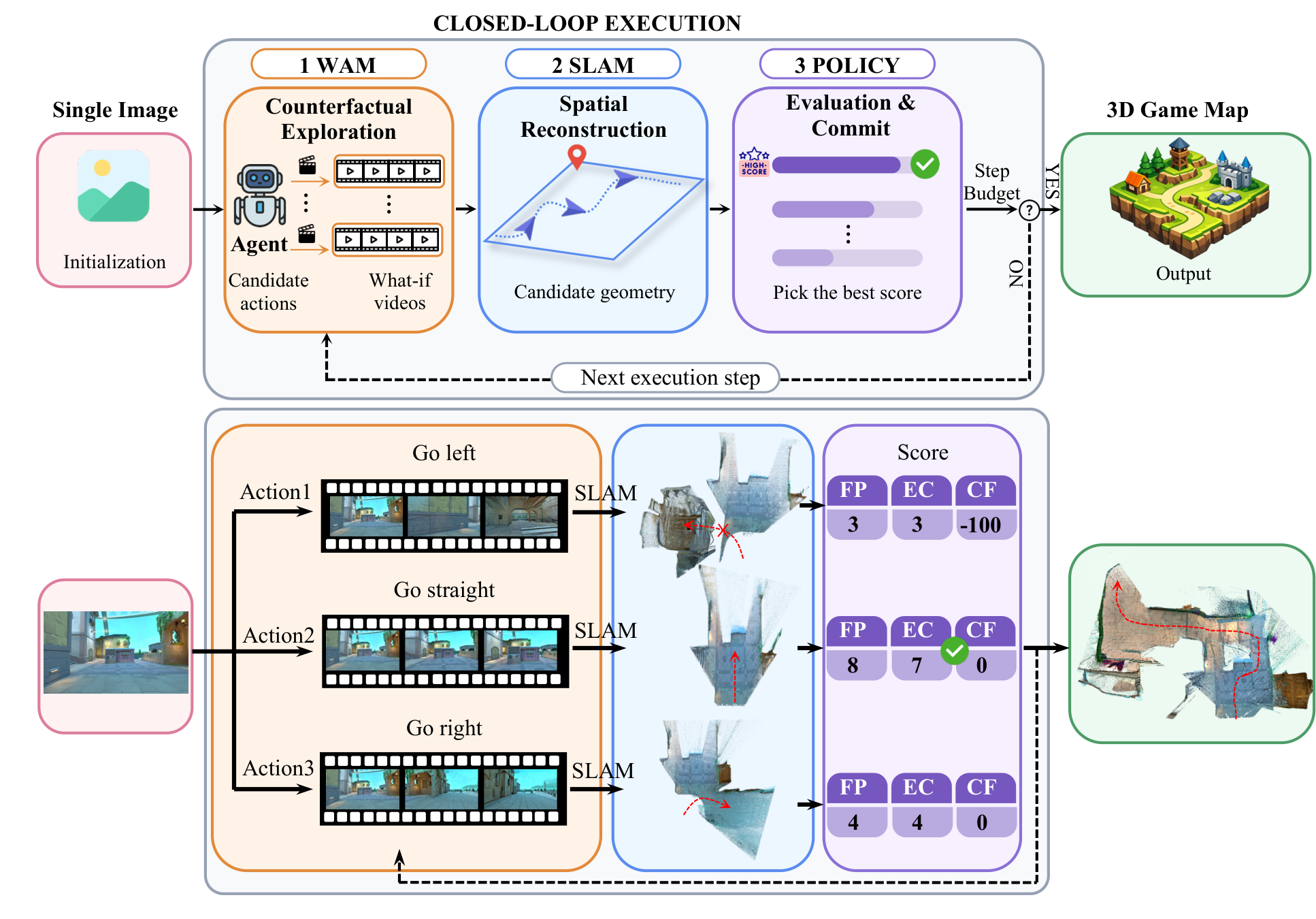
Overview of the VALERANT pipeline. The upper panel is a schematic of the closed-loop execution: a WAM stage generating what-if video rollouts from candidate actions, a SLAM stage reconstructing candidate geometry, and a policy stage evaluating and committing the best branch, looping until the step budget is spent. The lower panel walks the same loop through an example scene, branching on go left, go straight and go right.

Overview of VALERANT. Starting from a single input image, a virtual agent queries the WM with candidate actions to generate alternative what-if video rollouts. Visual SLAM reconstructs the corresponding 3D geometry, and an exploration policy selects the branch with the highest mapping utility. The selected observations are committed to a persistent point-cloud map, which is iteratively expanded into the final 3D game map. The upper panel provides a schematic illustration of the pipeline, while the lower panel demonstrates the process using an example scene.

More Results

Each row is one VALORANT map. From the single input frame on the left, VALERANT explores the scene and produces the exploration video and the reconstructed point-cloud map beside it.

Input
Video
Point Map
Pearl
Input frame from Pearl
Reconstructed point map of Pearl
Fracture
Input frame from Fracture
Reconstructed point map of Fracture
Abyss
Input frame from Abyss
Reconstructed point map of Abyss

Citation

If you find our work helpful, please consider citing us:

@article{qiao2026valerant,
  title={{VALERANT}: An Automatic Navigable Game Map Generator via Action-Conditioned World Model Exploration},
  author={Qiao, Yiran and Wang, Feng and Ma, Jing},
  journal={arXiv preprint arXiv:2609.09418},
  year={2026}
}