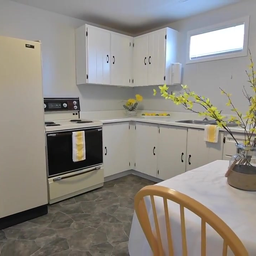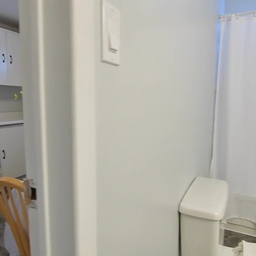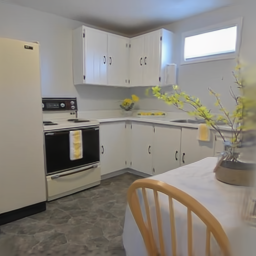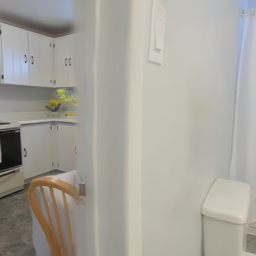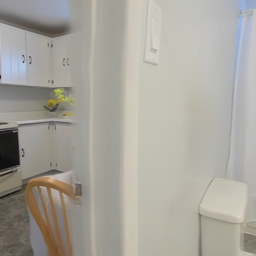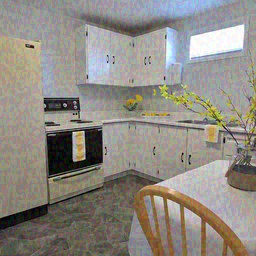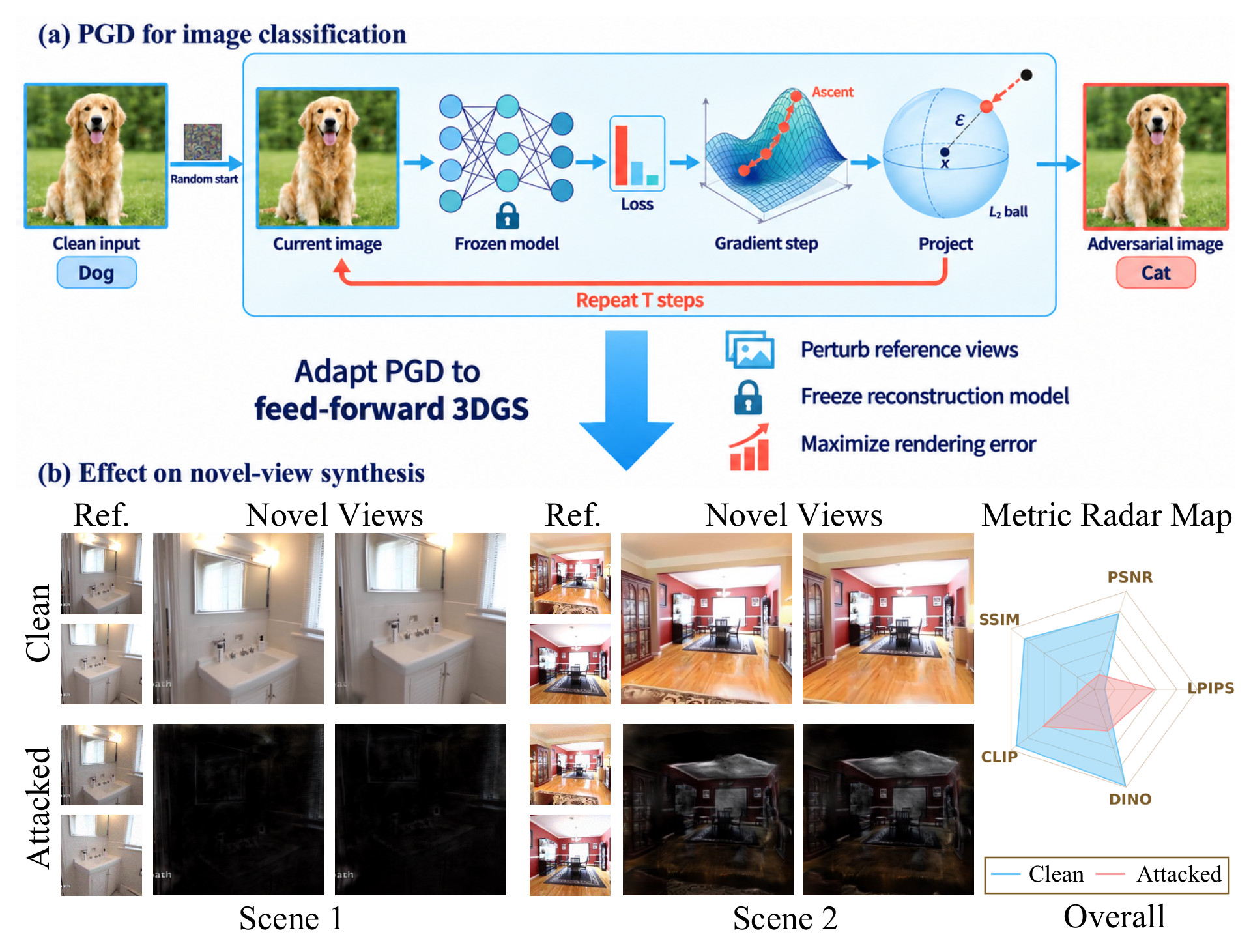
(a) PGD is the standard way to attack an image classifier: from a randomly perturbed start, it repeatedly takes a gradient step that raises the model’s loss and projects the result back into an ε-ball around the clean image, so that after T steps the picture still reads as a dog to us while the model calls it a cat.
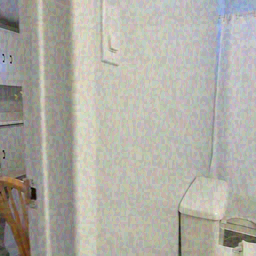
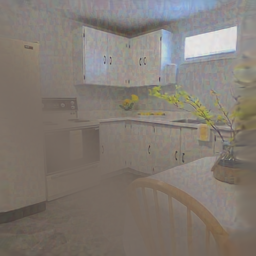
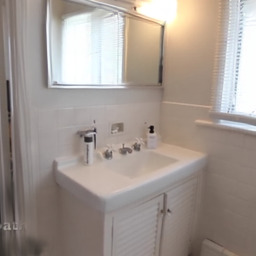
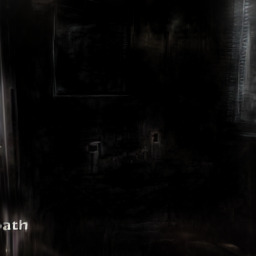
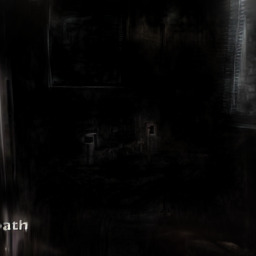
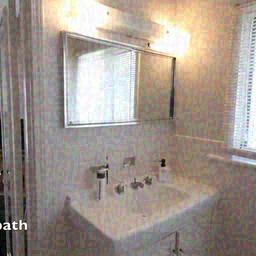
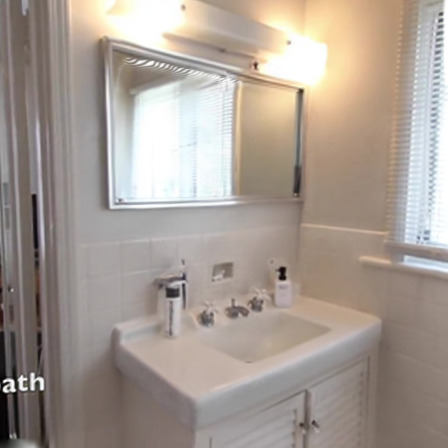
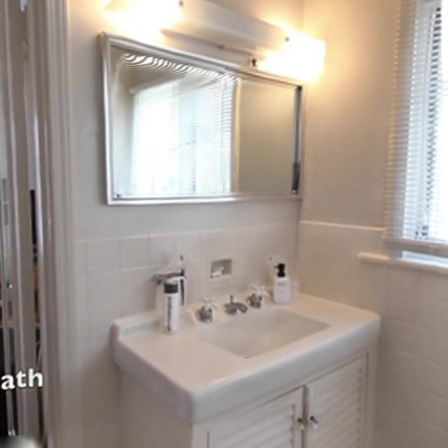
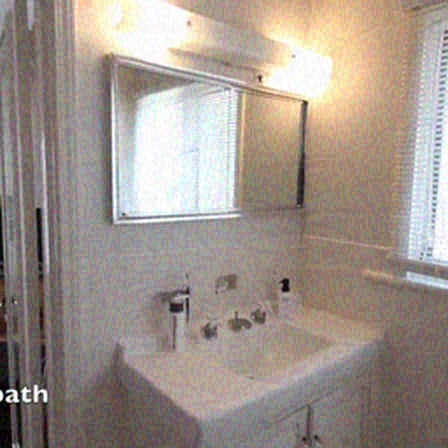
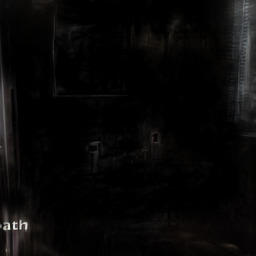
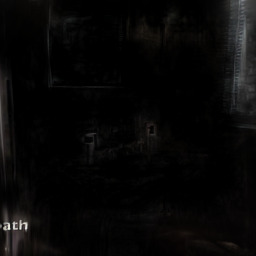
(b) The same loop carries over to feed-forward 3DGS almost unchanged, perturb the reference views instead of a single image, keep the reconstruction model frozen, and maximise rendering error instead of a class score. What comes back is far worse than a flipped label. The perturbed reference views still look like ordinary photographs of the room, yet every novel view rendered from them falls apart: the bathroom returns almost entirely black, and the dining room collapses into a dark smear. The radar map puts the two side by side over PSNR, SSIM, LPIPS, CLIP and DINO, and the attacked scores sit well inside the clean ones on every axis.
This probe is white-box, the gradient step needs the model’s own gradients, which a real attacker would rarely have. That it works at all is what motivates AdvSplat: if feed-forward 3DGS is this fragile when the gradients are handed to you, the question worth asking is how much of the damage survives when they are not, which is the black-box setting the rest of this work operates in.
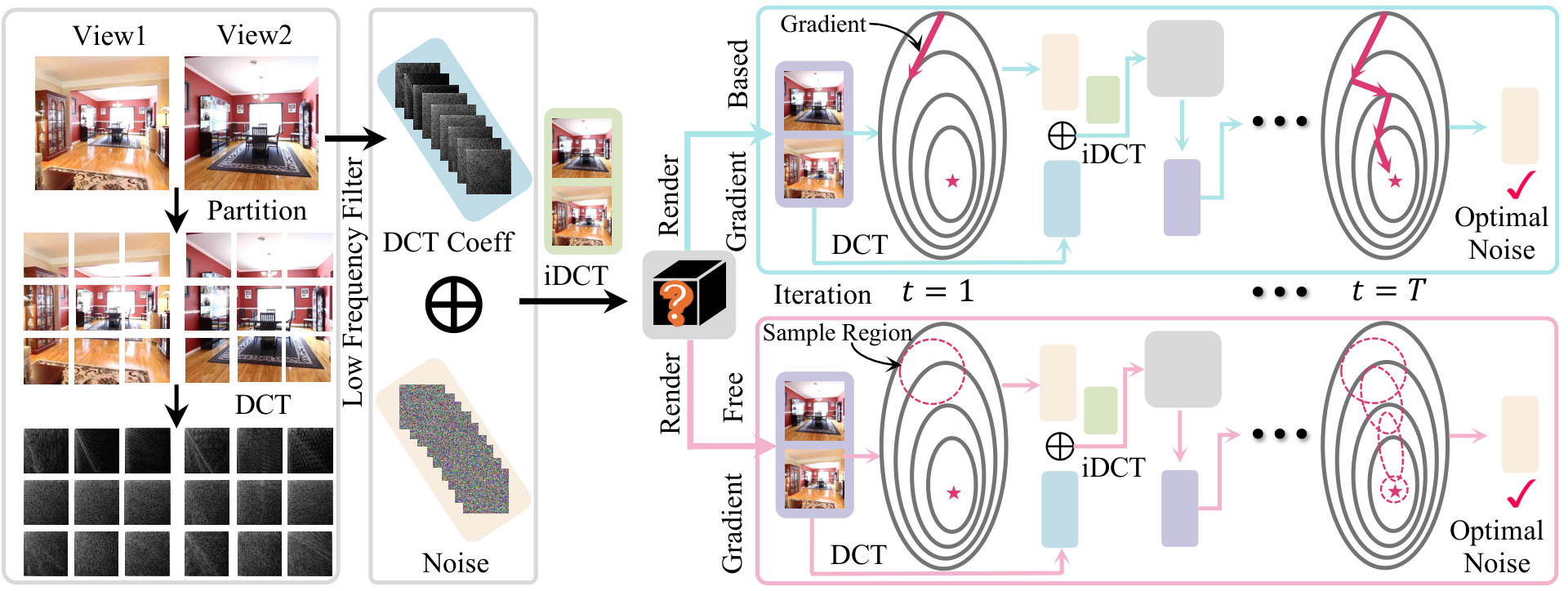
Pipeline of our proposed method, including gradient-based and gradient-free variants. The blue blocks denote the DCT coefficient maps, the yellow blocks denote the sampled noise, the green blocks denote the images after iDCT, and the purple blocks denote the rendered images. The black box in the center is the feed-forward 3DGS model with unknown parameters, illustrated by the gray block. The gray ellipses depict a contour map of the loss function, and the red star indicates the maximum. The red arrow inside the ellipse shows the gradient direction, while the red dashed ellipse indicates the noise sampling region. Finally, the noise sample marked with a red checkmark is the optimal perturbation we seek.
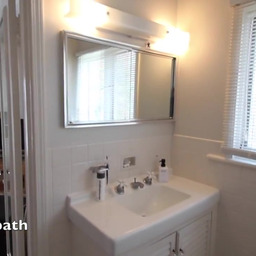
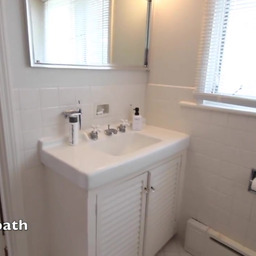
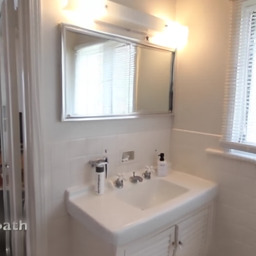
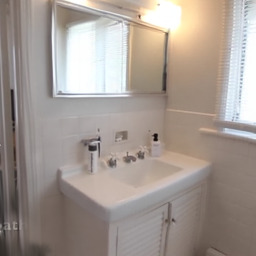

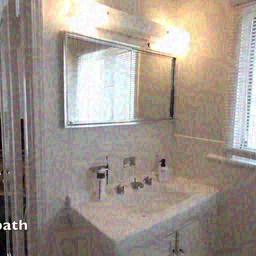
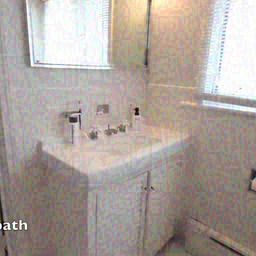
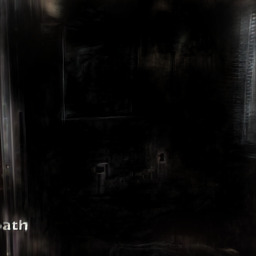
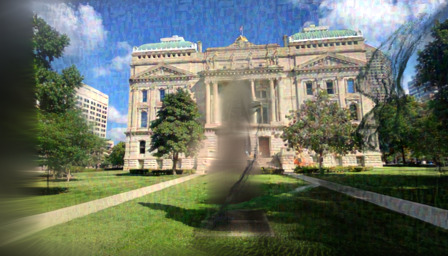
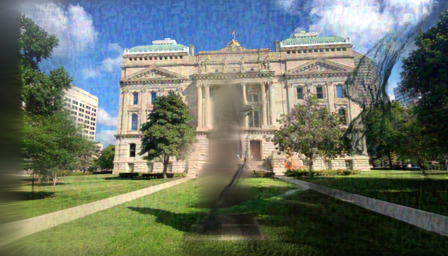
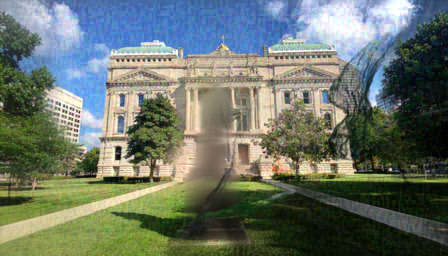
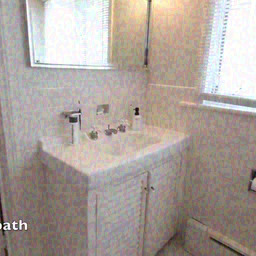
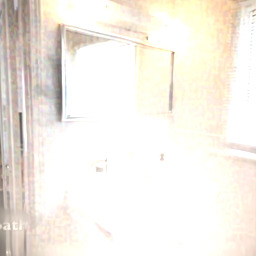
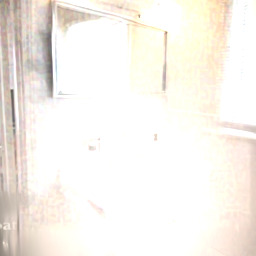
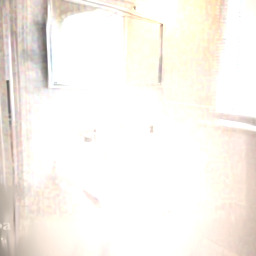
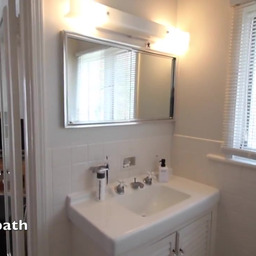
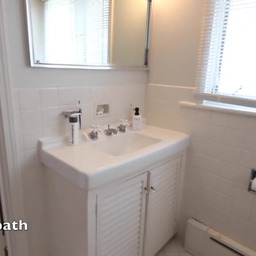
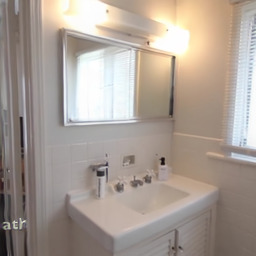
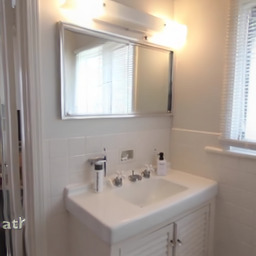
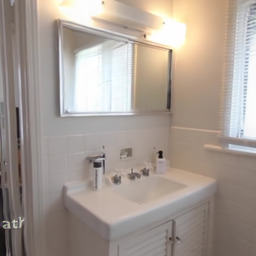

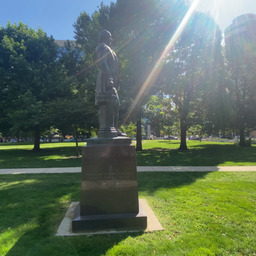
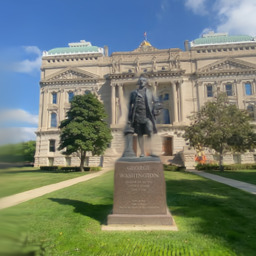

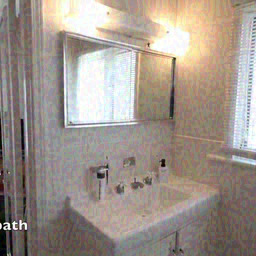
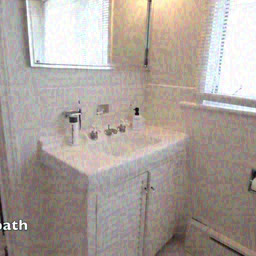
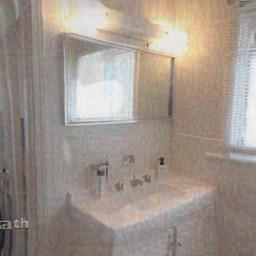
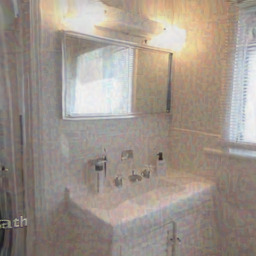
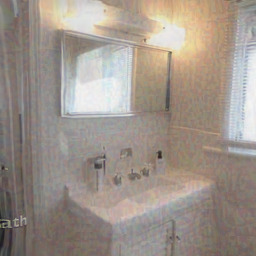
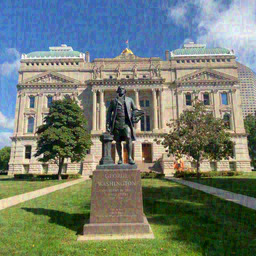
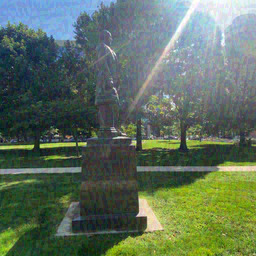
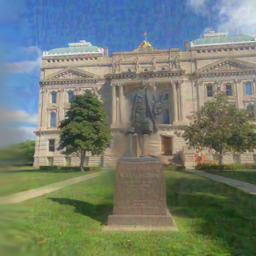
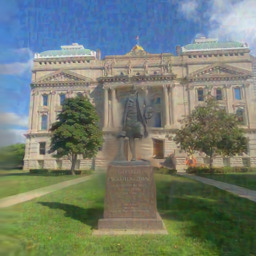
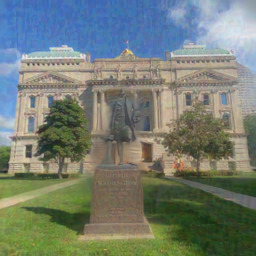
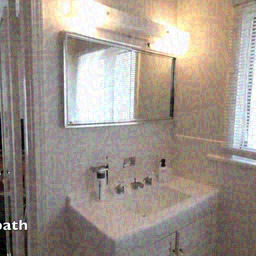
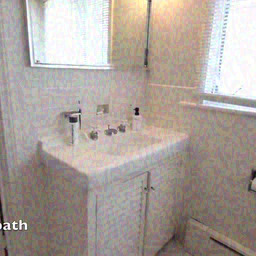
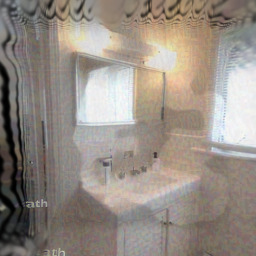
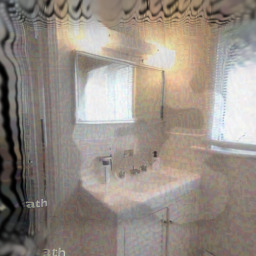
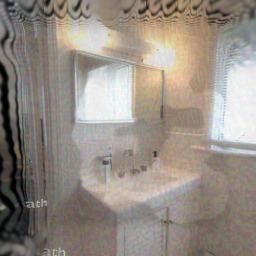
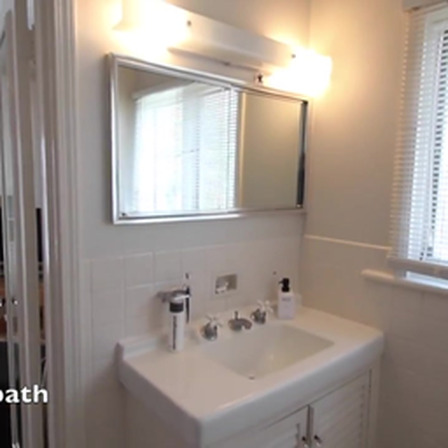
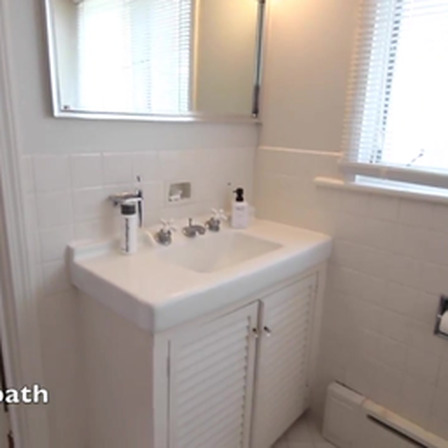
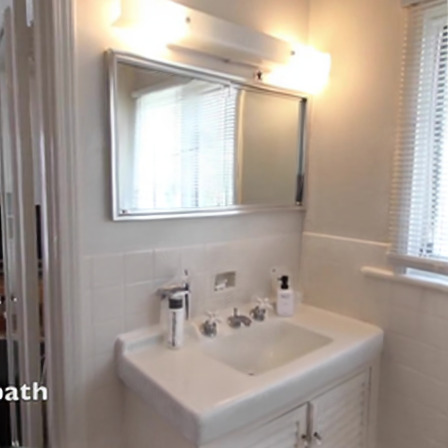
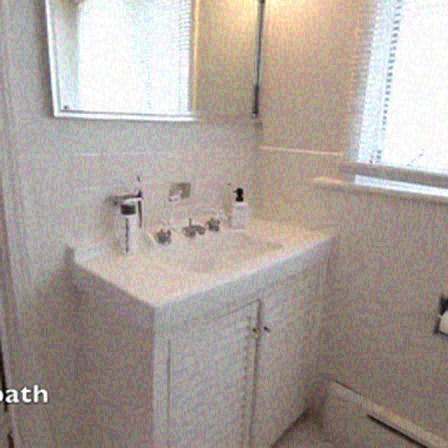
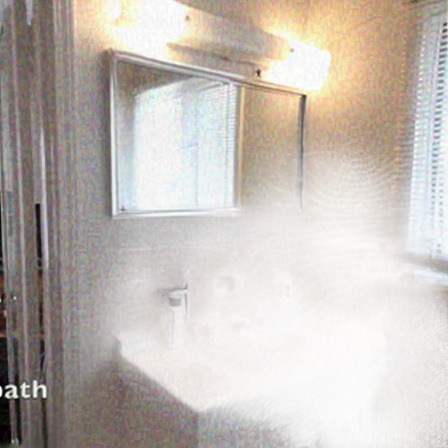
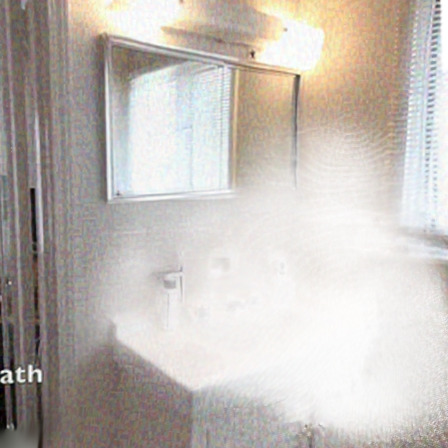
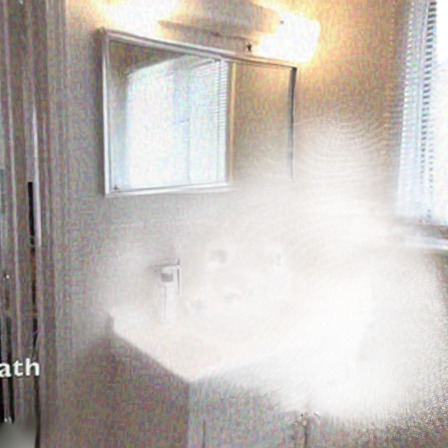
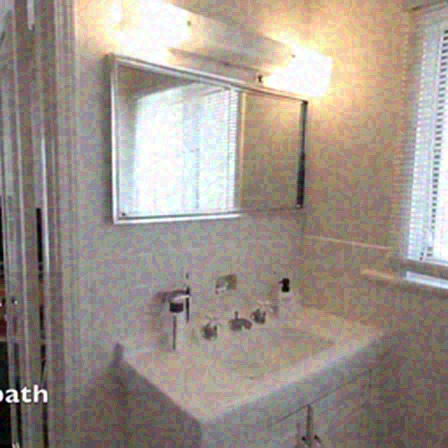
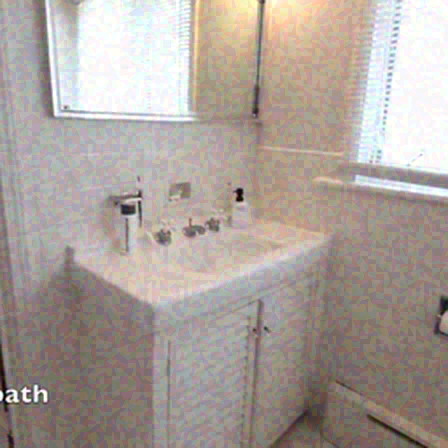
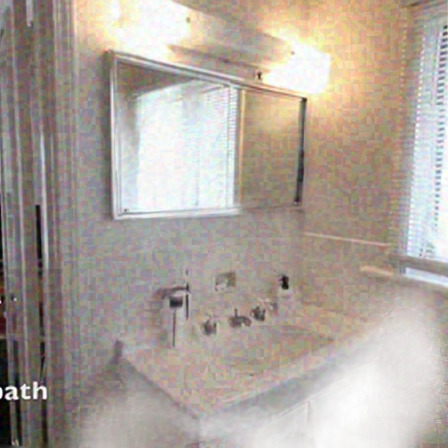
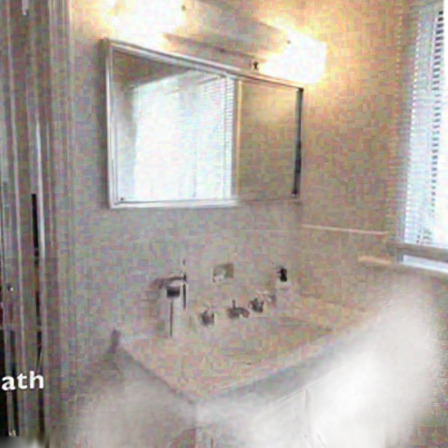
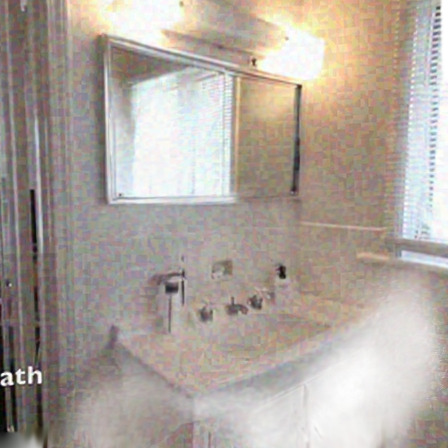
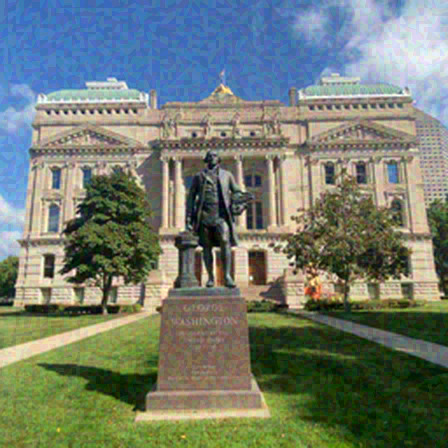
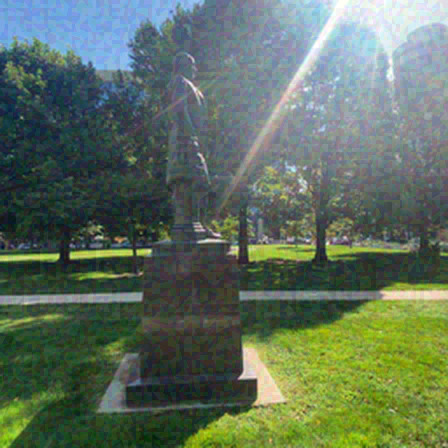
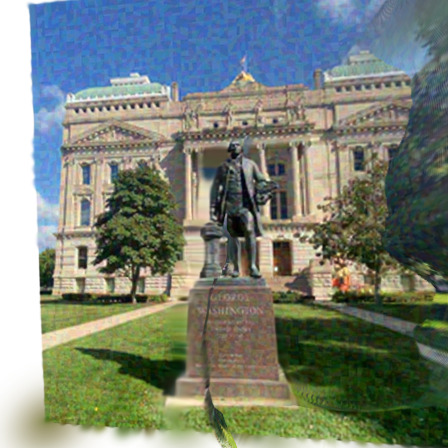
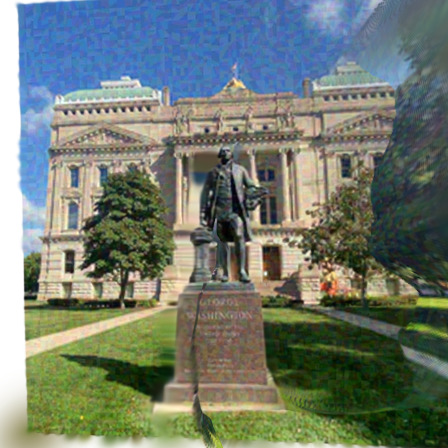
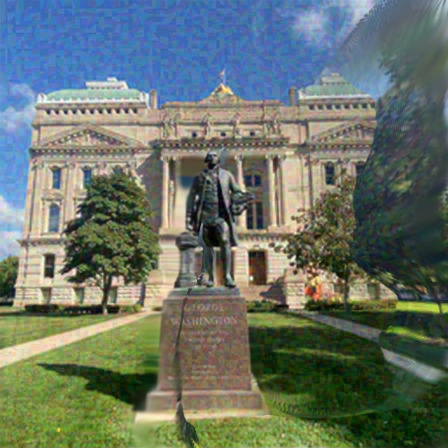
Qualitative results on RE10K and DL3DV (ε = 8/255). DP denotes DepthSplat, NP denotes NoPoSplat, and AP denotes AnySplat. GB denotes the gradient-based variant, and GF denotes the gradient-free variant. All baselines use clean inputs, whereas our method uses the optimized adversarial examples as inputs.
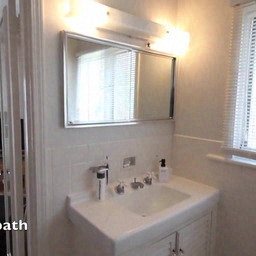
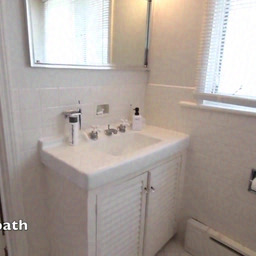
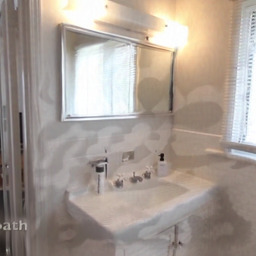
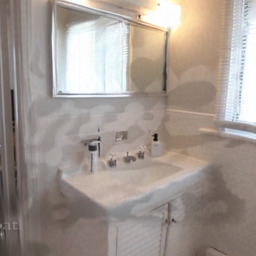
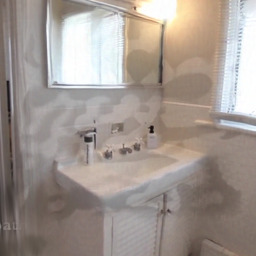
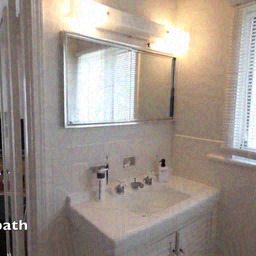
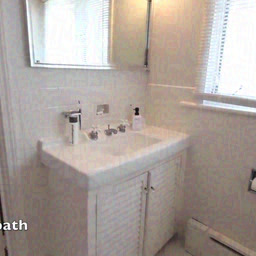
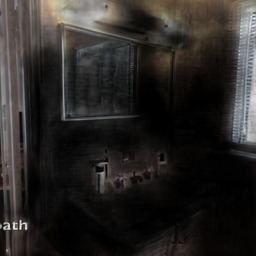
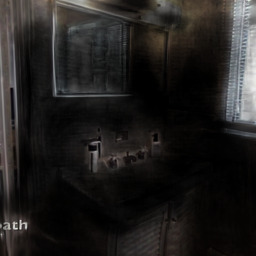
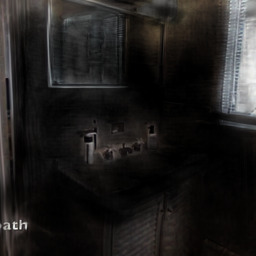
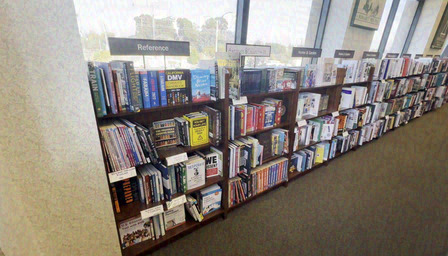
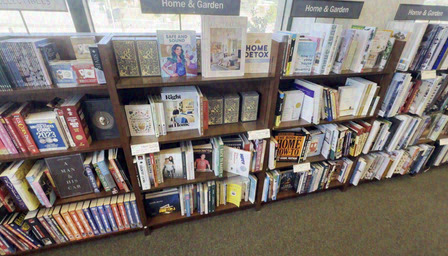


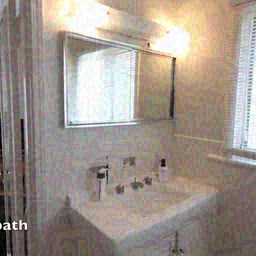
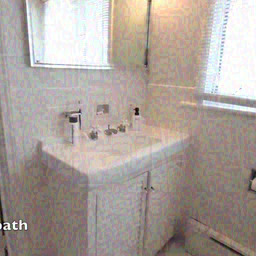
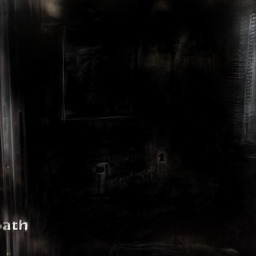
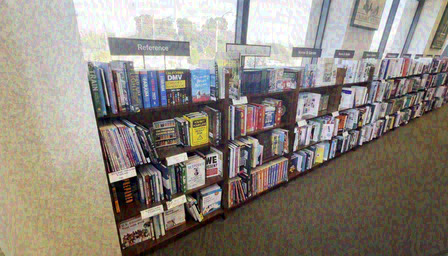
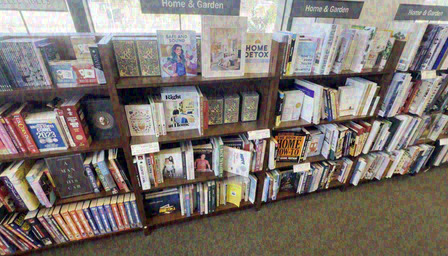
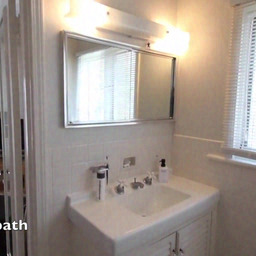
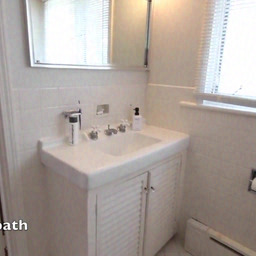
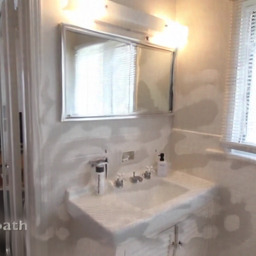
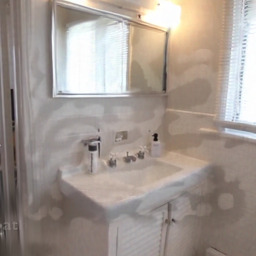
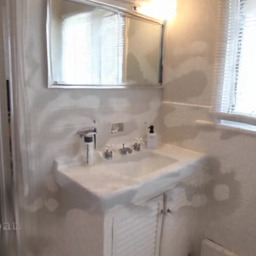
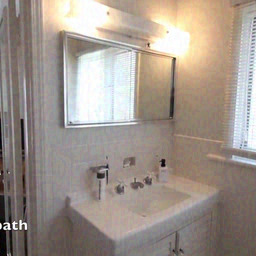
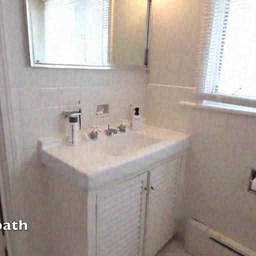
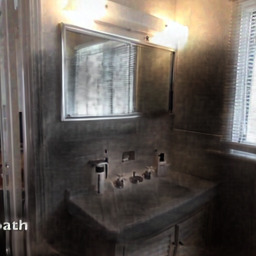
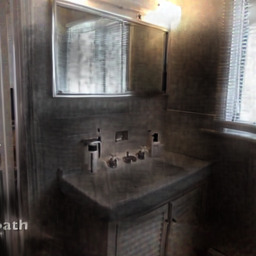
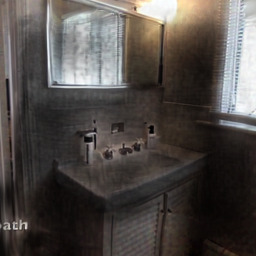
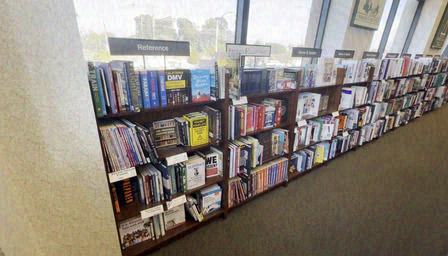
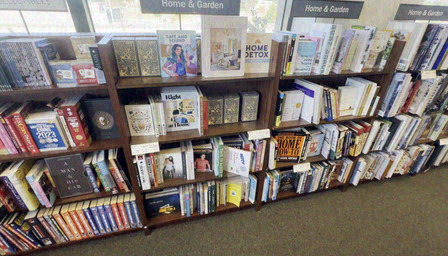
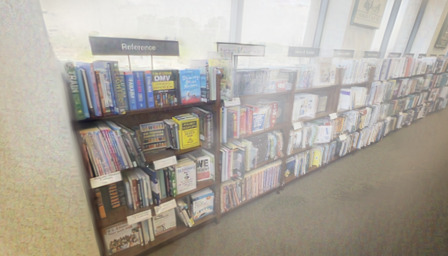
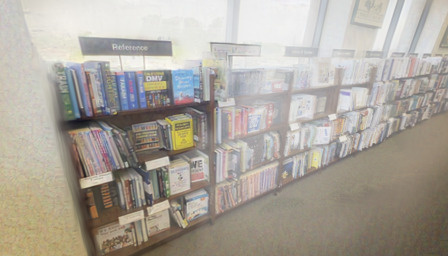

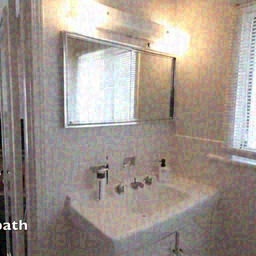
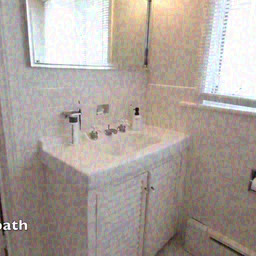
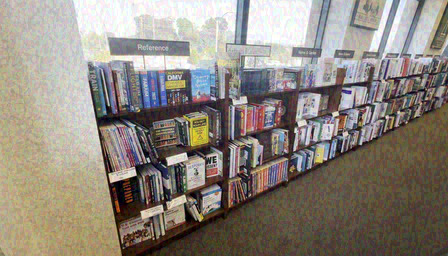
Qualitative results as the perturbation budget grows. Rows are grouped by variant, gradient-based above and gradient-free below, and within each group the budget runs ε = 2/255, 4/255, 8/255. The left group is the RE10K scene and the right group the DL3DV scene. Every reference view shown is already perturbed at that budget, and the novel views beside it are rendered from the reconstruction fitted to those views.
If you find our work helpful, please consider citing us:
@article{qiao2026advsplat,
  title={{AdvSplat}: Adversarial Attacks on Feed-Forward Gaussian Splatting Models},
  author={Qiao, Yiran and Lu, Yiren and Zhou, Yunlai and Yang, Rui and Hou, Linlin and Yin, Yu and Ma, Jing},
  journal={arXiv preprint arXiv:2603.23686},
  year={2026}
}